Driver based planning что это
BCP и DRP. Разница иногда не очевидна
Привет, хабр! Это скорее не статья-разъяснение, а статья-рассуждение о непрерывности и самая мякотка, надеюсь, будет в комментариях.
В силу того, что business continuity превратился в модный тренд, что-то вроде нанотехнологий, инноваций и импортозамещения, самое время определиться, что такое BCP и что такое DRP, в чем их разница и почему BCP и DRP как в том анекдоте «не муж и жена, а четыре совершенно разных человека».
BCP (business continuity plan) – план обеспечения непрерывности бизнеса. Содержит детальный план, что необходимо сделать для восстановления бизнес процессов.
DRP (disaster recovery plan) – план восстановления после катастрофы. Содержит детальный план по восстановлению инфраструктуры. Обычно имеется ввиду ИТ инфраструктура, но это могут быть самые разные механизмы, автотранспорт и здания.
Оба плана будут использоваться сразу после возникновения кризисной ситуации или катастрофы. Оба плана содержат набор инструкций и описание людей, которые эти инструкции должны выполнить. Оба плана должны периодически тестироваться, чтобы быть уверенным, что план жизнеспособен. Оба плана должны быть разработаны исходя из требований бизнеса*. Пожалуй, на этом сходство заканчивается и начинаются различия.
DRP – это план про восстановление. Если сгорел склад, то есть запасной склад на такой случай. Если в ЦОД пришли маски-шоу, есть резервный ЦОД. Если сломался автомобиль – есть запасные части для ремонта. Или резервный автомобиль. В зависимости от требований бизнеса, о которых мы поговорим в другой статье.
BCP – это план про непрерывность бизнеса, а точнее, конкретного бизнес процесса. BCP позволяет продолжить бизнес процесс после катастрофы или кризисной ситуации так быстро, как это необходимо для бизнеса.
При выходе из строя офисного здания DRP будет описывать как оперативно запустить новое офисное здание. BCP будет описывать, как организовать удаленную работу сотрудников. В случае, если удаленная работа невозможна, BCP будет включать в себя DRP, но не наоборот. И где-то в этот момент возникнет ощущение, что это одно и то же, но это не так.
В случае выхода из строя ЦОД, например, телекоммуникационной компании, BCP план будет описывать процесс переезда в резервный ЦОД и соответствующие коммуникации. DRP будет описывать переезд каждой системы. Фактически, в этом случае BCP план включает в себя много DRP планов.
BCP создается и тестируется совместно с представителями бизнеса. DRP создается и тестируется внутри ИТ подразделения.
Очень интересует мнение практиков, которые забороли путаницу в терминологии в непрерывности.
— * — требования бизнеса – это именно требования от бизнеса, а не размышления внутри ИТ департамента, как могли бы выглядеть бизнес требования.
Driver based planning что это
What Is Driver-Based Planning & Why Does It Matter?

Accountants who are elevating their value are moving from hindsight to insight and foresight.
To do that, you need a monthly deliverable that accomplishes three things:
Enter driver-based planning.
What Is Driver-Based Planning?
Driver-based planning is a method of forecasting that focuses on the key drivers of business results. This is different than key performance indicator (KPI) reporting, which is also a crucial component of financial modeling.
Think of it this way: Your stakeholders have goals. Key results must be achieved for the goals to be met. These key results are the KPIs that must be tracked. The drivers are the activities that must occur to hit those targets.
Driver-based planning is important because it emphasizes the relationships among the financials, operational results, and people. Metrics don’t exist in isolation on the financial statements; they are determined by causes and effects within the entire business.
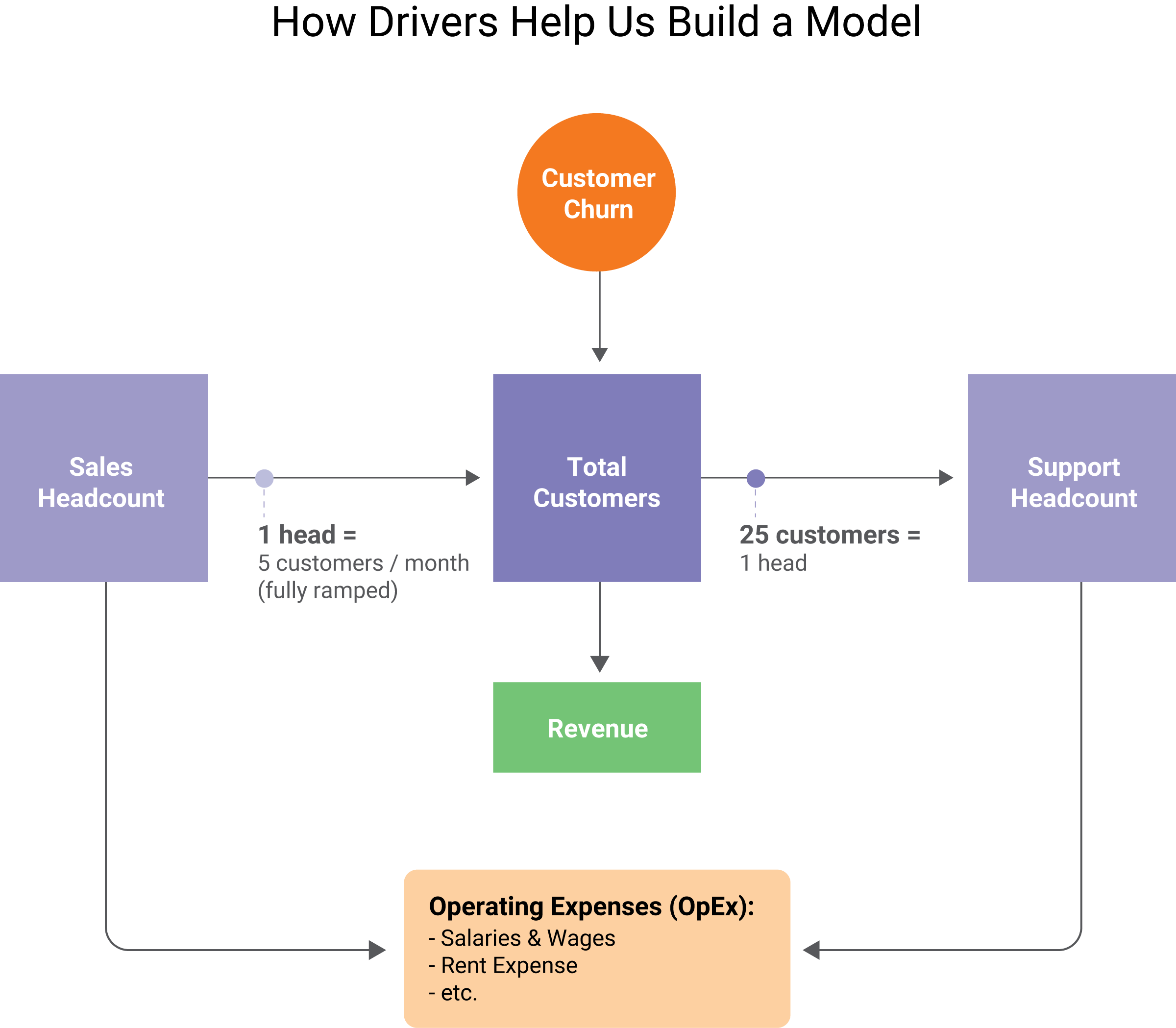
Driver-Based Planning in Action
Once you’ve identified your goals, the next steps are to identify the key drivers and build a financial model to reach those goals.
Your model can start with the actual numbers from a set time period, such as the last six to 12 months. That gives a starting point to see what would have to change to reach the objective. This will bring to light certain drivers that, if changed, could have a major impact throughout the entire business.
For example, you might think of the cost of acquiring a customer (CAC) as purely a marketing metric. However, CAC also has an indirect impact on the staffing plan. And spend drives more sales, potentially leading to a greater need for support staff on the operational side of the company.
The point is that when planning, you need to have a model that ties these numbers together. It’s extremely helpful to be able to determine what resources are needed if CAC is better or worse than expected. The same is true for a variety of other metrics. Your typical financial forecast can’t do that.
How to Use Driver-Based Planning
You become an extremely valuable asset when you’re able to break down — in simple terms — what causes the effects they are looking for. With the right model, a business is like a machine, with levers to pull to generate a result.
Compare that level of clarity to a traditional set of financial statements, which most business leaders hardly look at.
Drivers Put Goals in Proper Context
Adding driver-based planning to your accounting tool belt doesn’t mean you have to become a CFO who tells the CEO what to do — although it can help if that’s what you’re aiming for!
We can create plenty of value as accountants simply by linking our goals to data-driven financial planning and analysis. Rather than dispensing advice, the most important thing is to start by understanding what their goals are.
Many times, those goals will revolve around revenue and profit. With driver-based planning, you can contextualize the revenue and profit numbers to help a business create a plan to achieve those objectives.
For instance, if a business wants to increase its profit from 10% to 20% while maintaining its current growth trajectory, there will have to be trade-offs of some sort.
With driver-based planning, you can isolate the growth levers that are doing most of the work, and point out areas that could potentially be cut.
Use Key Drivers to See the Big Picture
Focusing on key drivers in your forecasting is useful on a number of levels. The obvious effect is greater focus. You can clearly illuminate the activities that drive the business. You can build accountability and feedback based on the tasks that absolutely need to happen.
Another less obvious effect of driver-based planning, though, is how it gives you the ability to plan at a higher level. You might think that by focusing on the specific actions, you’d get tunnel vision, but focusing on drivers has the opposite effect.
That’s because drivers are all connected. Building a forward-looking financial model allows you to run multiple scenarios to see the impact of one or more changes on the entire business. With this driver-based model, you can help stakeholders explore all their options. Now you’re being proactive instead of reactive.
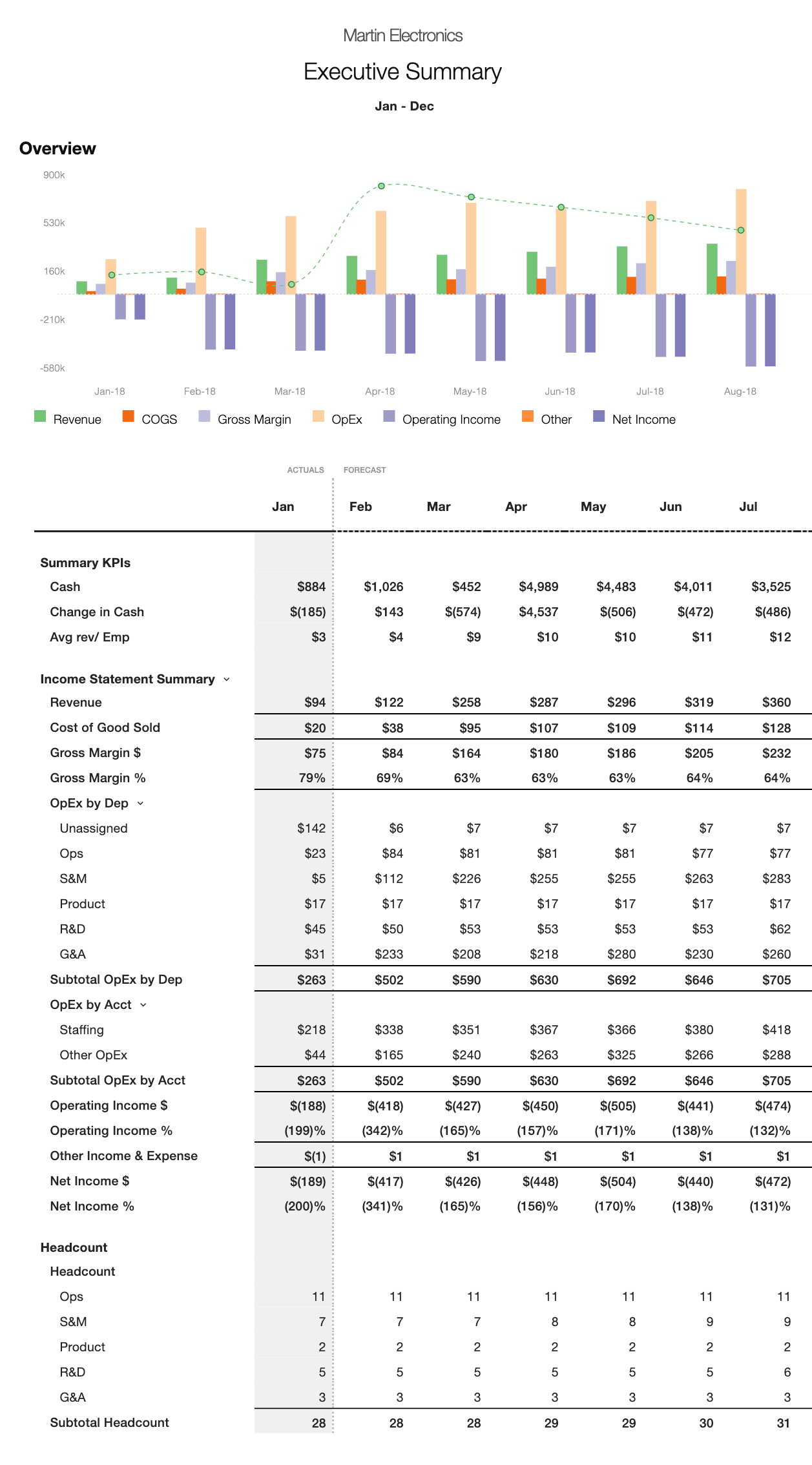
Be a Partner Who Provides Clarity
A forward-looking financial model that allows for adjustments of key drivers takes days to build out in a spreadsheet. Plus, spreadsheets are prone to errors and are difficult to update.
Jirav’s driver-based financial planning tools give you a real-time look at financial projections and provide endless opportunities for testing out different assumptions and scenarios.
As an accountant, the biggest opportunity for increasing your value is by providing clarity as to where the business is headed and options for achieving different results. Driver-based financial modeling in Jirav standardizes and automates that process.
Как планировать деятельность предприятия в условиях изменчивой экономики с помощью ИТ? TADетали
Что представляет собой система интегрированного планирования (Integration Business Planning, IBP)? Каких результатов она позволяет добиться и каковы особенности её внедрения? В этих вопросах TAdviser разбирался совместно с экспертом команды «Философия.ИТ» Фёдором Егоровым.
Содержание
Что такое IBP и для каких целей используются эти решения?
Различные классы систем управления бизнесом – ERP, CRM, BI и другие, в том или ином виде используются во всех крупных компаниях. Особняком среди них стоят системы интегрированного планирования (Integration Business Planning, IBP). IBP — это гибкий инструмент моделирования, what-if симуляций и предиктивного анализа, позволяющий планировать деятельность предприятия в условиях современной изменчивой экономики. Подобные решения только набирают популярность, но заказчики все чаще задумываются о переносе своих оптимизационных алгоритмов из разрозненных и самописных систем в централизованные решения этого типа.


IBP-система включает два основных компонента: Demand Planning (планирование спроса) и Supply Chain Planning (планирование цепочки поставок). На практике встречаются решения, которые используют только один из компонентов, но обычно они дополняют друг друга.
Какова роль компонента Demand Planning?
Распространенный ранее подход к планированию спроса, называемый Supply-driven, при котором прогноз продаж считался стабильным, имел смысл при небольшом количестве ключевых игроков и отсутствии глобальных каналов интернет-продаж.
С глобализацией бизнеса увеличилась и волатильность спроса, а старый подход оказался неэффективным. В новых условиях критически важно быстро и точно прогнозировать спрос, учитывая разные casual-факторы и динамику рынка. На сцену вышли стратегии вида Demand-driven.
Но спрос зависит от огромного количества факторов, и его прогнозирование вручную — очень сложная задача, поэтому сегодня для построения прогнозов используются системы класса Demand Planning (DP).
Производственная компания может иметь тысячи SKU, множество рынков и каналов продаж, клиентов и точек сбыта. Хороший DP-продукт позволяет работать с данными на различных уровнях детализации, производить быструю агрегацию и дезагрегацию данных, при этом он должен обладать хорошей масштабируемостью.
Система Demand Planning использует не только «грубые» методы прогнозирования, такие как скользящее среднее и экспоненциальное сглаживание, но и более совершенные: ARIMA, ARIMAX и dynamic regression.
Современное DP-решение имеет встроенные механизмы интерпретации данных: графики, инструменты what-if анализа и сравнения, а также способно выгружать данные в таблицы Excel.
Каковы особенности внедрения Demand Planning?
Внедрение DP-системы начинается с выбора оптимальной модели данных. Модель должна, с одной стороны, быть пригодной для обсчёта, т.е. не слишком крупной. С другой — иметь достаточную для полноценного анализа детализацию.
Например, для построения точного прогноза сбыта оптимальной историей являются данные о фактических продажах, но не всегда у компании есть техническая инфраструктура для сбора такой информации. Часто компании в качестве истории продаж используют альтернативные источники, например, данные по заказам на продажу, что снижает качество прогноза. Устранить несовершенство исходных данных — нетривиальная задача и одно из препятствий на пути внедрения DP-решения.
Обеспечив сбор данных, работе в системе обучают сотрудников заинтересованных отделов и департаментов — продаж, маркетинга и др. Их задача — используя данные системы, выработать и согласовать план продаж.
Собственно, консенсус-план продаж — это и есть результат работы DP-системы. План показывает, сколько товара и в каких точках продажи можно реализовать, то есть отражает веру компании в возможности спроса, подкреплённую расчётами.
Для чего нужен компонент Supply Chain Planning (SCP)?
Обычно плановый объём продаж заведомо превышает производственные возможности компании, и возникает закономерный вопрос: «Каким образом удовлетворить этот спрос?»
На него помогает ответить решение класса Supply Chain Planning (SCP).
В 1996 году некоммерческая организация SCC представила стандарт SCOR (Supply-chain Operations Reference), предложив операционную модель оптимального управления цепочками поставок. Впрочем, хоть SCOR и содержит рекомендации по построению бизнес-процессов на организационном уровне, он не даёт ясных алгоритмов планирования снабжения, логистики, производства или сбыта с экономической точки зрения.
На практике, каждая дирекция компании стремится сократить свои издержки, что почти всегда идет вразрез с деятельностью смежного направления. Например, возможна ситуация, когда отделу сбыта выгодно реализовывать широкий ассортимент продукции с высокой добавочной стоимостью, но при этом производству не выгодно терять время на переналадки оборудования и часто переключаться с производства одного продукта на другой.
Чтобы соблюсти баланс, необходимо оценить преимущество одного решения над другим с помощью прозрачной экономической оценки того или иного плана. Иными словами, необходимо принять план, максимизирующий маржинальный доход предприятия — этот подход известен как «стоимостная» или cost-based оптимизация.
Как планировать поставки с помощью SCP?
Для комплексного планирования поставок в SCP-решении используется математический аппарат, известный как «Линейное программирование» (LP) или «Целочисленное линейное программирование» (MILP). На рынке существует несколько математических оптимизаторов, решающих эту задачу: CPLEX, Gurobi, XPRESS, а также множество SCP-решений, работающих на базе этих библиотек.
Обобщив, процесс планирования можно описать тремя шагами:
1.Сбор ограничений: переменных затрат и «жестких» ограничений.
2.Построение и расчёт модели для оптимизатора.
3.Интерпретация результатов работы SCP-системы и их экспорт в смежные системы для исполнения плана.
Рассмотрим каждый этап подробнее.
Сбор ограничений. На данном этапе нужно собрать и связать между собой все значимые бизнес-ограничения. Источниками данных служат ERP и CRM-системы, системы бюджетирования, корпоративные хранилища данных, АСУ транспорта, MES-системы и пр. Хорошо, если SCP-решение поставляет тот же вендор, что и локальные системы: например, SAP APO SNP предусматривает бесшовную интеграцию с SAP ERP. Но даже в этом случае интегрированы будут не все ограничения.
Построение и расчёт модели для оптимизатора. Этот этап — ядро процесса планирования, и на нём сконцентрированы наибольшие риски проекта. Производительность компьютеров растёт, но её по-прежнему не хватает для обсчёта модели целиком. Наиболее трудоёмким с этой точки зрения является обсчёт нелинейных ограничений, в частности, кратности партий поставщика, переналадок на производстве и ограничения на целочисленность транспортной единицы. Здесь на помощь приходит декомпозиция модели, т.е. разделение её на несколько составных задач.
Ниже приведены основные виды декомпозиции:
На практике эти подходы обычно комбинируют. Выработка корректных предположений и допущений, позволяющая осуществить декомпозицию модели — это, пожалуй, наиболее творческая и сложная задача при внедрении IBP-системы.
Интерпретация результатов расчета. На этом этапе данные расчёта превращаются в понятные для пользователя объекты: заявки на закупку, заказы на перемещения, производственные задания и пр. В рамках этого шага производится парсинг, т.е. разбор результатов планирования до нужной заказчику детализации, и, если это необходимо, пеггинг (pegging), в ходе которого материальные потоки по транспортной сети обогащаются аналитикой конечного заказа на продажу. Затем производится экспорт данных из транзакционного OLTP хранилища в OLAP структуры для последующего анализа построенного плана с помощью BI отчетности. Финал этапа − выгрузка результатов планирования в смежные системы для их дальнейшего исполнения.


Какие результаты дает внедрение IBP?
Внедрение IBP-решения стоит затраченных усилий, поскольку формирует реалистичный консенсус-прогноз спроса, основанный на мощных инструментах математической статистики, истории продаж и casual-факторах.
IBP-решение даёт возможность в любой момент выбрать самый маржинальный спрос и удовлетворить его, минимизируя сопутствующие переменные затраты. Что немаловажно, результаты работы IBP-системы позволяют экономически обосновать перед руководством компании и акционерами финансовые преимущества предлагаемых решений.
Внедрение IBP-продукта — нетривиальная задача, в процессе решения которой могут реализоваться как организационные, так и технические риски. Действительно, для формирования полного и внутренне согласованного пула ограничений нужна командная работа и налаженные горизонтальные связи между департаментами предприятия.
driver based planning
русский translation: факторное планирование
| ЗАПИСЬ В ГЛОССАРИИ (ИЗВЛЕКАЕТСЯ ИЗ ВОПРОСА, УКАЗАННОГО НИЖЕ) | ||||||
|---|---|---|---|---|---|---|
|
| |
| Local time: 19:17 | |


