Earth watch что это
Our Mission & Values
Earthwatch connects people with scientists worldwide to conduct environmental research and empowers them with the knowledge they need to conserve the planet.
Citizen Science, Community Engagement
Since its founding in 1971, Earthwatch has been taking action to address global change through a time-tested model of citizen science and community engagement. By pairing citizen science volunteers from all sectors of society with researchers around the world, Earthwatch teams have helped to safeguard critical habitats, conserve biodiversity, and promote the sustainable use of natural resources.
Earthwatch does more than back vital research; it inspires us to understand our global responsibilities as citizens of the world.
Dr. E.O. Wilson — Harvard University
Our Focus Areas

Engage with People and Communities
Earthwatch is a global organization with offices in the U.S., U.K., Australia, India, and Japan. We bring together students, teachers, corporate employees, community members, and the public, in nearly 30 countries around the world.

Support Scientific Research
We currently support more than 40 research projects globally that produce rigorous, relevant, and impactful science, address global change, and actively involve citizen-scientist participants.

Promote Education
We’re committed to helping educators and students discover and protect our environment through transformational learning experiences that promote environmentally sustainable action.

Partnerships for a Sustainable Planet
We work with a wide variety of partners, including corporations, foundations, nonprofit organizations, and educational institutions to implement sustainable policies, processes, and practices that promote environmental responsibility both in and out of the office.
Our Values
At Earthwatch, we believe in the value of creating meaningful connections as a solution to the environmental and social challenges we face. Every person has something to contribute towards a better future. When people feel a sense of belonging, they are equipped with the power to create change towards a more inclusive, equitable, and sustainable world.
Earthwatch supports scientists who produce meaningful research that informs the innovative solutions needed to solve the world’s most pressing environmental challenges. But these scientists can’t do it alone. By connecting them to students, teachers, corporate employees, community leaders, and members of the general public, among many other groups, we are opening channels to communicate science far beyond academic circles. Our model provides people with the opportunity to experience scientific research first-hand, and empowers them to contribute to solving problems both locally and globally.
We acknowledge that science has a history of being exclusive. Building a diverse and equitable environment takes constant work and attention. At Earthwatch, we still have a lot of work to do and are committed to tearing down the barriers that prevent all voices from being heard and present in the field of science. By creating opportunities for research to be accessible to people regardless of their scientific, educational, or social background, we believe we will have a greater impact on creating a more sustainable planet.
Travel the World. Make a Difference.
Explore expeditions
Regions
Expedition focus
Travel date(s)
Month(s)
Expedition Type
Activity Level
Accommodations
Activity Type
Earthwatch expeditions pair researchers with volunteers to address some of the world’s most pressing environmental challenges. Explore our current expeditions to discover how you can make a difference.
Showing 9 of 34 matches

Help conserve wildlife within the Amazon Basin by searching for pink river dolphins, primates, macaw, caiman, and giant river o

Scientists expect to observe the greatest effects of global warming in the Arctic.

Scientists expect to see the greatest effects of climate change in the Arctic. But what, exactly, will these effects be?

How is a national treasure being reshaped by the changing climate?

Join scientists on California’s Catalina Island as you help to monitor the health of a unique marine ecosystem.

Rhino populations are in crisis due to the high value of rhino horn combined with widespread poaching.

Help gather critical data on the sustainable use of one of Mexico City’s last wetlands.

Bees, hummingbirds, and other pollinators provide services that are critical to our future food security and the ecological hea

Why have Pacific leatherback sea turtles almost disappeared? Look for answers and solutions on Costa Rica’s beaches.
Earthwatch at Home
Earthwatch Institute®: Bringing Environmental Science to You
Understand the Crisis. Join in the Research. Be Part of the Solution.
 The coronavirus pandemic has shown us how our world can shift in the blink of an eye. It has also given us the rare opportunity to see a glimpse of what the natural world might look like if we were to drastically change our behavior on a global scale. To maintain this momentum, we have a lot of work to do. With the world increasingly and visibly under siege from the effects of the climate crisis, it’s hard not to worry about our future. But there are actions we can take as individuals and as members of a global community to support nature and conserve the environment.
Through live online activities and discussions led by Earthwatch environmental educators, presentations and Q&As with leading research scientists, and an at-home citizen science research project, Earthwatch at Home is an opportunity for adults of all backgrounds and skill levels to enhance their understanding of climate change and take part in the scientific search for solutions.
Connect with Earthwatch scientists, staff, and other lifelong learners as you examine the science behind climate change, explore its ecosystem and socioeconomic impacts, and identify specific action plans to address ongoing—and newly emerging—challenges. You’ll also conduct and support a “backyard” citizen science project that aims to reduce the decline of pollinators around the world. Get your hands dirty while helping scientists to collect critical data.
Program Offerings
We are currently applying for funding to expand this program into classrooms and corporate settings. We are unable to offer the climate change course at this point.

Four-Part Climate Change Investigation
In this series of live intimate classes, you’ll dive into the data with leading climate scientists, connect with like-minded learners, and contribute directly to environmental research through citizen science.

Pollinator Watch
Take part in a backyard- or
community-based citizen science research project that aims to reduce the continued decline of pollinators around the world by engaging members of the public in data collection activities.
Participant Requirements
**While this program is currently designed for adults, we are aiming to develop student-specific virtual learning programs in the future for use in classrooms or at-home learning environments. If you’re interested in these types of programs, please contact us at info@earthwatch.org for related updates and information.
A Few of Our Featured Scientists

Dr. Cameron Barrows
Associate Research
Ecologist
University of California Riverside
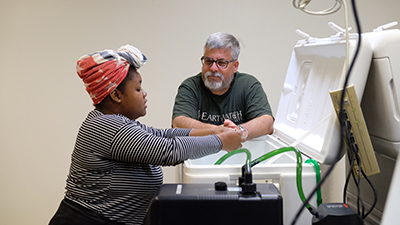
Dr. John A. Cigliano
Professor of Biology and Director of Environmental Conservation
Cedar Crest College
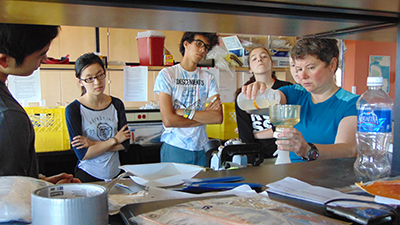
Dr. LeeAnn Fishback
Scientific
Coordinator
Churchill Northern Studies Centre
Earth watch что это
Earthwatch is an international nonprofit organization that connects citizens with scientists to improve the health and sustainability of the planet. For the last 45 years, Earthwatch has empowered nearly 100,000 volunteers to join leading scientists on field research expeditions that tackle critical environmental challenges around the globe—from climate change to ocean health, human-wildlife conflict, and more.
What is included in the cost of the expedition?
Your contribution covers important research costs, such as equipment, permits and supplies; food, accommodations, and local transport; safety and welfare management; travel medical and emergency evacuation insurance; and preparatory materials. Our scientists rely on your contributions in order to produce top-quality research while hosting teams of citizen scientists. Your contribution and most travel costs are tax-deductible in the U.S
Who can join an expedition?
Anyone can join an expedition—no experience necessary! All training will be provided upon your arrival. We offer both adult expeditions and teen expeditions for 15- to 17-year-olds. Teens are also welcome on most of our adult expeditions if they are accompanied by a parent or guardian. Volunteers join us from all over the world
How do I sign up for an expedition?
We highly recommend that you visit our website, find an expedition you are interested in and read the expedition details and briefing (you’ll find a link to the briefing at the top of the expedition page). When you are ready to book, you can either book online or give us a call at 1-800-776-0188.
How far in advance do I need to book an expedition?
Each expedition has a different degree of demand. Some expeditions fill up a year or more in advance, so we suggest that you sign up as soon as you see an expedition you are interested in. Once you sign up, you will have until 90 days before the start of your expedition to complete payments and submit your participation and travel forms
Do I need to have any prior scientific knowledge to participate?
No! You will learn all that you need to know when you get out to the field.
How is Earthwatch committed to my safety?
At Earthwatch, we are committed to caring for the safety and welfare of all individuals involved in our activities anywhere in the world. Although risk is an inherent part of the environments in which we work, we believe that through careful risk management and diligent planning all participants can have a rewarding, educational and inspirational Earthwatch experience.
Are promotions or payment plans available?
Finally, many of our volunteers take advantage of our Expedition Fund. Starting an Expedition Fund is an excellent way to help fundraise for an expedition’s contribution cost. You can ask your friends, family, colleagues, and anyone else in your network to help support you going on an expedition. It is a great alternative to holiday and birthday gifts! Plus all contributions are tax-deductible!
How long are the expeditions?
Our expeditions vary by duration, with most running between 1 and 2 weeks. We also occasionally offer short-duration expedition of less than 1 week, so keep an eye out if you’re looking for a weekend getaway!
What are some other ways to get involved with Earthwatch?
Research Focus Areas
Science to Action
With the world increasingly and visibly under siege from environmental threats such as climate change, habitat destruction, and pollution, the urgent need to take action has never been clearer. For nearly 50 years, Earthwatch has supported scientists in the field, assisted by citizen science volunteers, to identify sustainable solutions to address some of the greatest environmental challenges humanity has faced. By supporting rigorous, relevant, and impactful science, we have helped to shape environmental policies, conserve threatened species and habitats, and advance the scientific study of global change.
Research Focus Areas
Our Priorities
The climate crisis demands a focused, strategic response, informed by solutions-oriented science that involves people from the outset. To mitigate against the intensifying impacts of global change, and to adapt to the shifts that have already occurred, we need to develop and strengthen the evidence base with rigorously collected data while mobilizing a network of environmental ambassadors poised to take action. By increasing our understanding of global threats, we can identify solutions to conserve our essential natural systems.
Since 1971, Earthwatch has been pairing citizen science volunteers from all walks of life with scientists to study and protect threatened species and ecosystems in more than 130 countries around the world. We support rigorous, hypothesis-driven scientific research that informs the development of policies and management plans to conserve and restore ecosystem services, biodiversity, and community resilience. Given the pace of environmental degradation and the urgency with which we need to take action, our research focus has taken on even greater importance with the development of the United Nations Sustainable Development Goals (SDGs), a set of targets to achieve a better and more sustainable world by addressing global challenges—many of which lie at the core of Earthwatch’s mission.
As a pioneer in the field of citizen science, Earthwatch has long been on the frontlines of ecological research. At the very heart of these efforts are people—the scientists, citizen science volunteers, and community members who embody our mission, our values, and our belief in a sustainable future.